

In today’s healthcare environment, the line between technology and clinical care no longer exists. A system outage isn’t just a technical failure; it’s a disruption to patient care, business operations, and clinical continuity. The security decisions we make directly influence outcomes at the bedside.
As a healthcare cybersecurity executive and consultant, I’ve seen firsthand how shifting these conversations from “IT responsibility” to “organizational resilience” changes everything. At Cybersecurity Advisory Group, we help leaders understand that the digital ecosystem has grown far beyond the hospital walls, expanding their risk exposure through third-party vendors, connected medical devices, and cloud platforms.
Ransomware isn’t just about lost data. It’s about delayed treatments, canceled surgeries, and eroded trust. Every minute of downtime carries clinical risk that can alter lives.
That’s why I view ransomware preparedness as a clinical responsibility. Through clinical continuity planning, my team helps hospitals embed resilience into daily practice. Downtime procedures must be realistic, practiced, and focused on sustaining life-saving functions, not just satisfying compliance requirements.
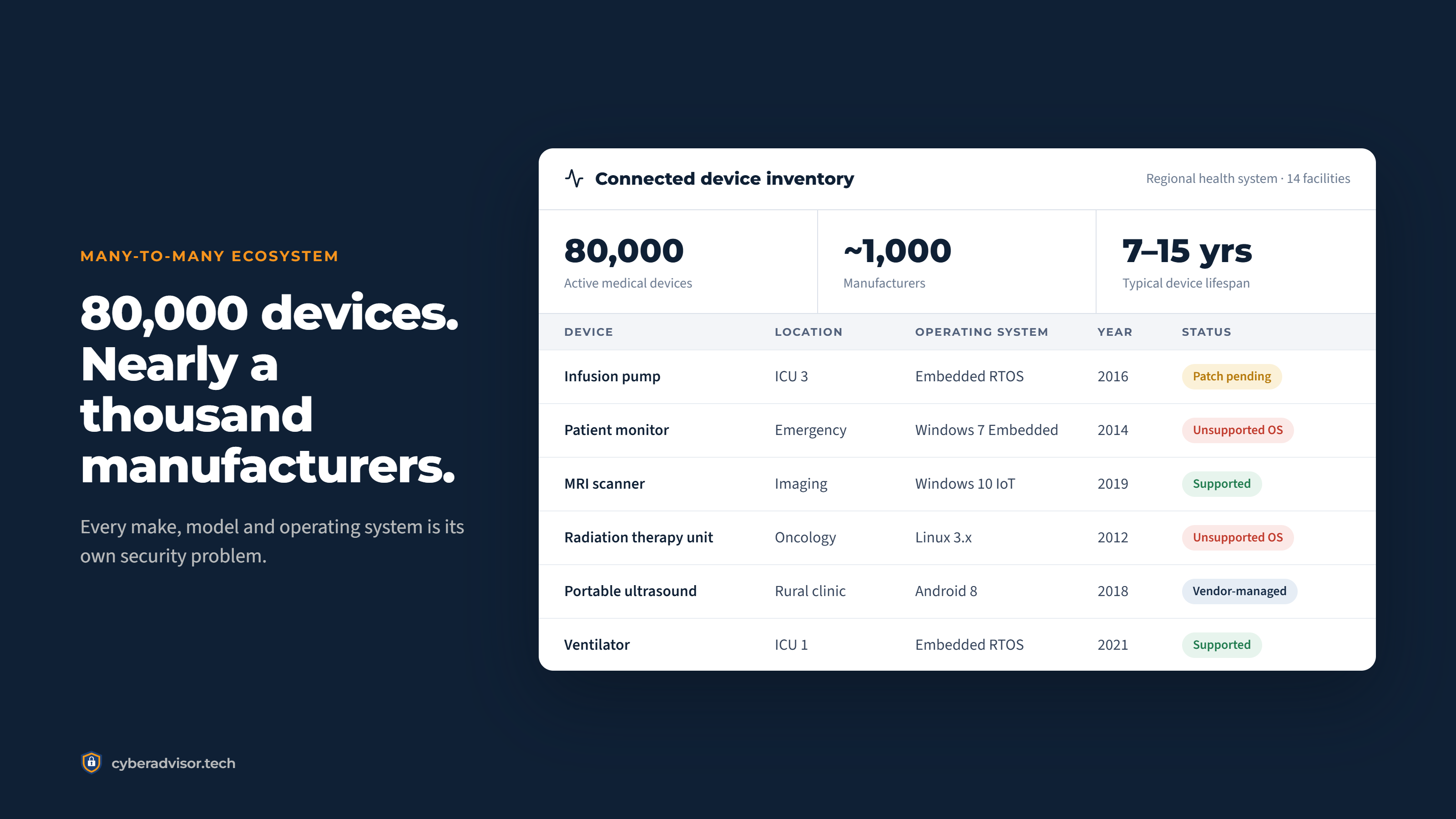
Healthcare organizations now depend on hundreds of vendors and digital connections across billing, imaging, IoT, and remote care. Each relationship represents a potential vulnerability.
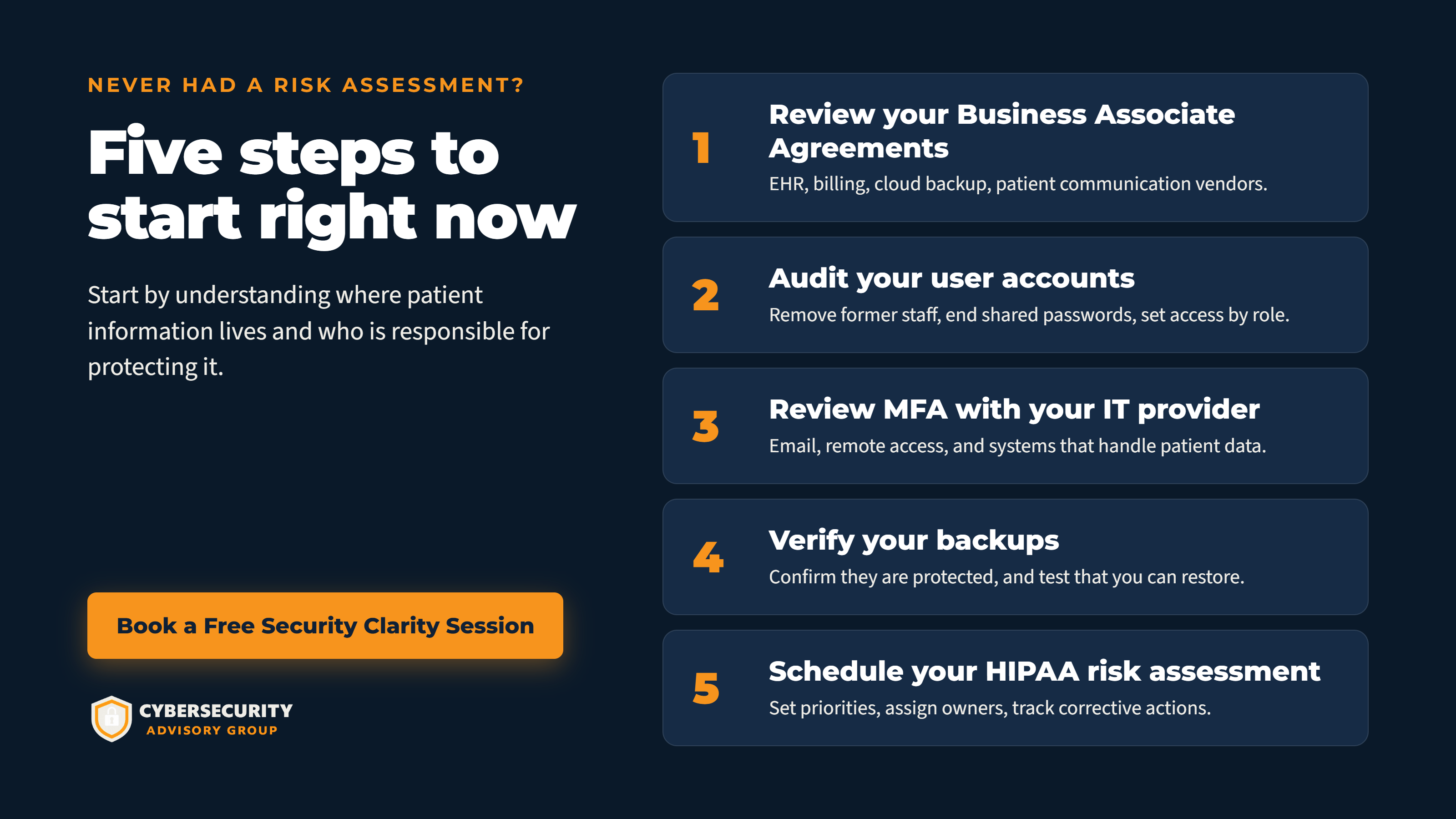
At Cybersecurity Advisory Group, we work with leaders to build multidisciplinary third-party risk management programs that combine governance, cybersecurity, and clinical awareness. Visibility is key: knowing who is connected to what, what data is flowing, and where hidden exposures exist. Governance isn’t red tape; it’s the foundation of intelligent control.
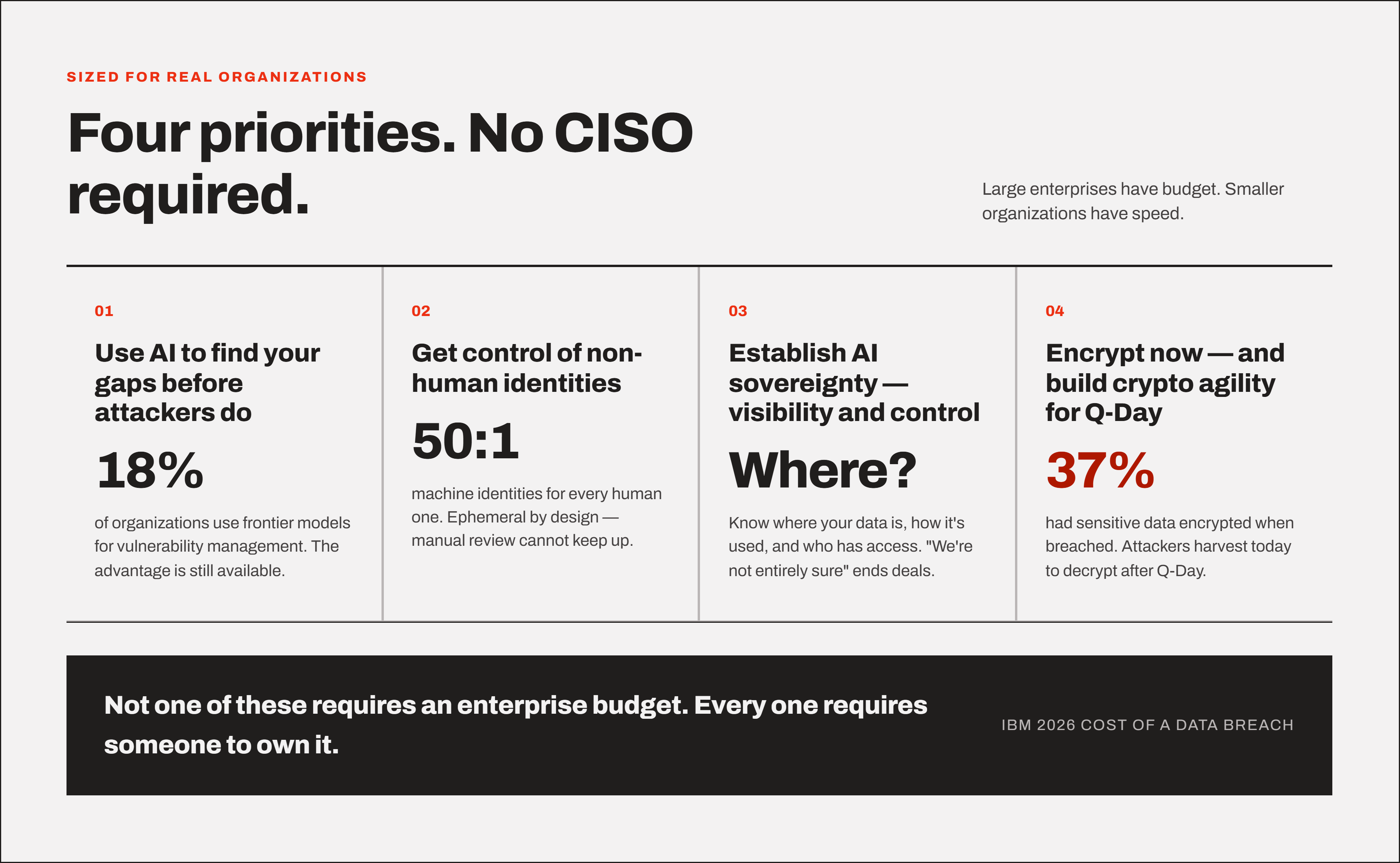
No cybersecurity program succeeds without enterprise buy-in. Cyber risk is enterprise risk, and leadership culture determines resilience. The most successful healthcare organizations integrate cybersecurity into board discussions and clinical planning as part of the continuous pursuit of clinical excellence.
When evaluating new technology, I encourage teams to ask important questions up front. Why are we adopting this? What data will it require access to? Which network connections will it create? These questions expose unseen vulnerabilities and help leaders make proactive, informed decisions.
Business continuity prepares organizations to recover financially. Clinical continuity ensures they continue to deliver care safely when systems fail. Every hospital needs clear, tested procedures that outline how to operate offline, triage workloads, and protect patients during an outage.
At Cybersecurity Advisory Group, we help organizations make this readiness part of their culture. When technology supports care rather than defines its limits, clinical continuity becomes a core strength.
Cybersecurity and patient care are inseparable. For healthcare leaders, protecting data means protecting people. Preparedness, visibility, and collaboration must underpin every decision.
When cybersecurity becomes part of an organization’s DNA, it strengthens patient safety, operational stability, and public trust. That commitment to resilience and continuity defines my mission at Cybersecurity Advisory Group — building governance frameworks and security cultures that keep care safe, reliable, and uninterrupted.
If you’re thinking about how to strengthen clinical continuity and security governance within your healthcare organization, I’d love to connect and share strategies that make resilience actionable. Let’s continue the conversation.
Connect with Melissa Thornton on LinkedIn